
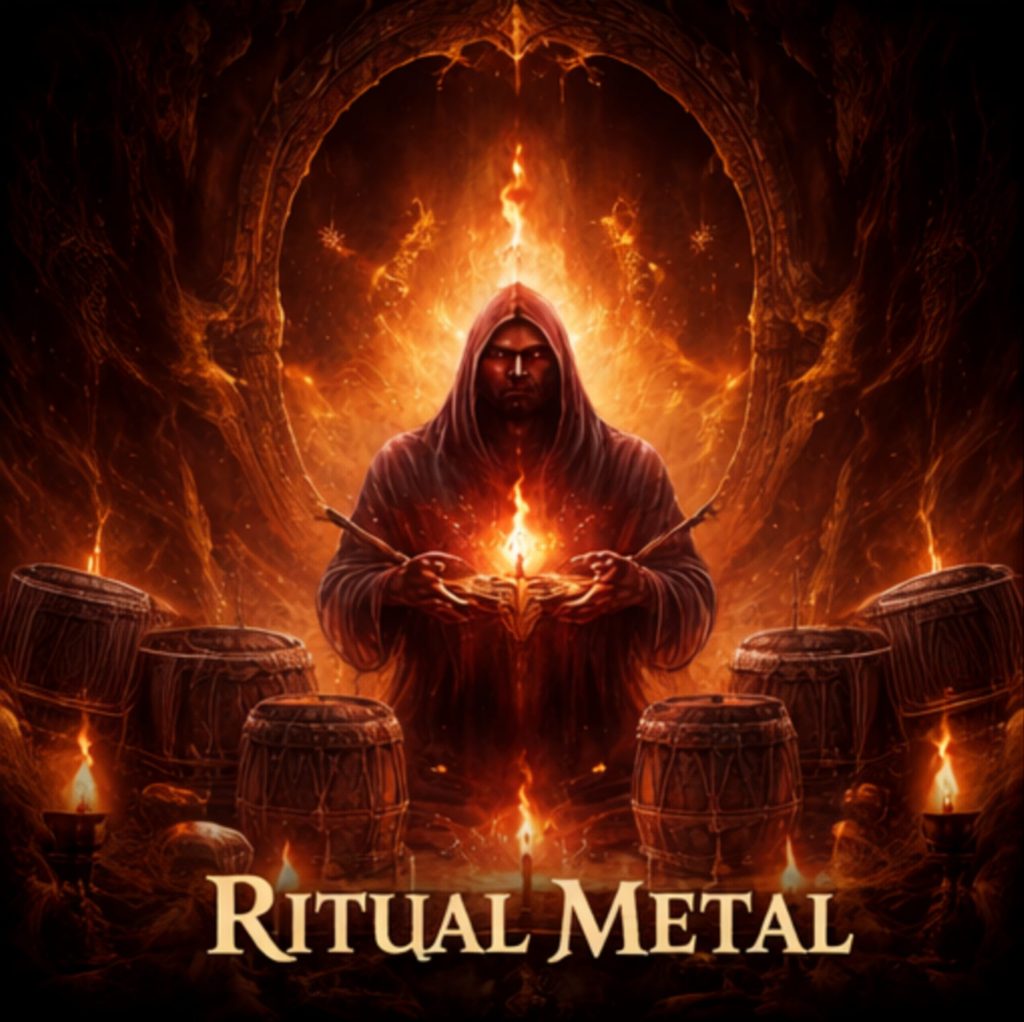
Sound as Ceremony, Distortion as Offering
Ritual Metal is a form of heavy music shaped by ceremonial intention. It is not merely aggressive or atmospheric — it is structured as an experience meant to evoke transformation.
Unlike conventional metal genres defined primarily by speed, tuning, or vocal style, Ritual Metal is defined by purpose. The music unfolds like a rite: invocation, escalation, confrontation, release. It seeks to create space — not just sound.
At its core, Ritual Metal treats composition as ceremony.
The Architecture of Ritual in Music
Ritual, across cultures, follows a pattern. There is preparation. There is invocation. There is climax. There is dissolution. Ritual Metal mirrors this structure within its sonic design.
A Ritual Metal composition may include:
- Slow-building atmospheric introductions
- Repetitive or trance-inducing rhythmic cycles
- Chant-like vocal passages or mantras
- Dynamic crescendos symbolizing confrontation or purification
- Ambient or meditative closures
The goal is immersion. The listener is not positioned as a passive consumer, but as a participant within a sonic rite.
Atmosphere Over Exhibition
While extreme metal often highlights technical prowess or speed, Ritual Metal prioritizes atmosphere and intention. Silence becomes as important as distortion. Repetition becomes hypnotic rather than mechanical.
Percussion plays a central role. Cyclical drumming patterns echo ancient ceremonial rhythms. Drones and sustained tones create a sense of sacred space. Vocals may resemble invocation rather than narrative storytelling.
In Ritual Metal, sound is not arranged for spectacle. It is arranged for transformation.
Cultural and Spiritual Roots
Ritual has always been intertwined with sound. From shamanic drumming and temple chanting to liturgical hymns and sacred gongs, rhythm has long functioned as a bridge between visible and invisible realms.
Ritual Metal draws from this universal heritage. It does not belong to a single tradition, yet it often integrates elements from indigenous spirituality, esoteric symbolism, or ancient philosophy.
The distinction between performance and ceremony begins to blur.
However, authenticity matters. Without awareness and respect, ritual aesthetics can become superficial. True Ritual Metal requires intention — an understanding that sound carries weight.
Ritual Metal in the Modern Landscape
In contemporary heavy music, ritual elements appear across various subgenres: atmospheric black metal, doom metal, industrial soundscapes, and experimental ambient metal. Yet not all music with dark ambiance qualifies as Ritual Metal.
Ritual Metal is distinguished by structural consciousness. The arrangement itself reflects ceremonial progression. The atmosphere is not decorative — it is foundational.
It is less about genre classification and more about experiential design.
Ritual Metal and KI BARAK SELEM
Within KI BARAK SELEM, Ritual Metal manifests through the integration of mantra, Balinese ceremonial atmosphere, and extreme metal frameworks. The compositions are shaped as sonic rites — opening with invocation, intensifying through confrontation, and resolving through contemplative resonance.
Balinese rhythmic sensibilities, sacred vibration, and ancestral symbolism inform the architecture of the music. Rather than using ritual imagery as aesthetic theme, the project seeks to embody ritual structure within sound itself.
This approach aligns closely with what is described as Balinese Mysticism Ritual Metal — where distortion is not chaos, but offering.
Beyond Performance
Ritual Metal invites a shift in listening. It asks for presence.
The music does not demand belief. It demands awareness.
In this space, distortion becomes incense. Rhythm becomes pulse. Silence becomes threshold.
Ultimately, Ritual Metal stands at the intersection of ancient ceremony and modern amplification — a reminder that even within heavy sound, there can be sacred intention.